

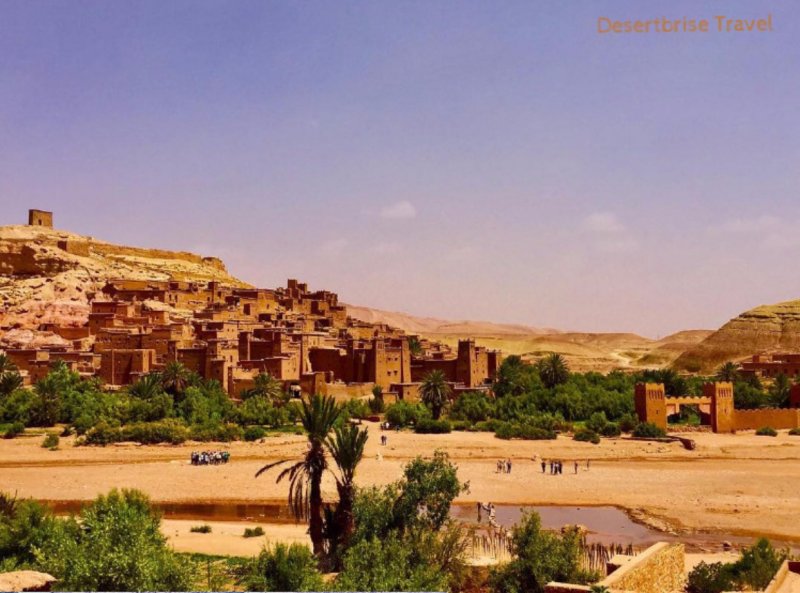
The Berber people, also known as Amazigh, represent one of the oldest indigenous cultures in North Africa, predating the arrival of Arabs. Their reputation for hospitality is well-known, and their culture is a significant influence on modern Moroccan identity, impacting customs, cuisine, art, and more.
Understanding Berber heritage provides deeper insight into Morocco’s history and culture, enriching the travel experience and creating lasting memories.
Berber History
Before the Arabs brought their language, culture, and Islam to northwest Africa, the region was predominantly inhabited by the Berbers. After their arrival, Berber culture absorbed aspects of Islam while preserving its fundamental elements, including language, art, and cuisine. This cultural fusion led to the emergence of powerful dynasties, namely the Almoravids and Almohads, which extended their rule beyond Morocco into parts of Spain, resisting numerous colonization efforts along the way.
Berber Culture and Way of Life
Contrary to the common perception that Berbers are homogeneous, there are numerous distinct groups within this rich culture. Variations in language, clothing, cuisine, architecture, social structures, matrimonial customs, and communication styles can be observed across different regions, from the Northern coast to the Rif Mountains, the High and Middle Atlas, and the Sahara.
In the Sahara, women may wear light, colorful shawls that protect against the sun and sand, while those in the Rif Mountains tend to don wide-brimmed straw hats and long dresses with thick, striped blankets—perfect for the cooler mountainous climate. It’s important to note that, while women in Morocco generally cover themselves, western visitors are not expected to wear headscarves but should dress modestly.
There is a misconception that Berbers are merely desert nomads, reliant on camels. While Berber traders have historically played crucial roles in trans-Saharan trade routes, many Berbers are small-scale farmers and herders, benefiting from sufficient rainfall to cultivate various crops, including grains, fruits, and vegetables.
These modern Berber communities now encompass city dwellers who engage in diverse professions such as business, medicine, and politics, alongside those who continue traditional farming and herding practices.
Berber Art and Music
Art is integral to Berber identity, greatly varying by region. Crafts like rugs, pottery, jewelry, and furniture often feature artistic embellishments. Visitors will find beautifully carved wooden items, colorful tapestries, and exquisite handmade jewelry, consistently showcasing the rich aesthetic traditions.
Music is a vital part of celebrations in Berber culture, especially during weddings and festivals. Traditional sounds may involve flutes, drums, and string instruments, often accompanied by lively dancing, with localized styles unique to even neighboring villages.
Berber Festivals
Among the many celebrated Berber festivals, the Imilchil Marriage Festival stands out. Held annually in September in the Middle Atlas Mountains, it gathers thousands of participants from surrounding areas for a vibrant mix of feasting, dancing, and socializing. This event serves as a moment for young singles to meet potential partners and fosters a culture where individuals are free to choose their spouses.
Another significant festival is Fantasia, which showcases traditional horsemanship and often includes elaborate performances to entertain both locals and tourists.
In addition to annual festivities, Berbers observe major Islamic holidays, including Ramadan and Eid, reflecting their shared cultural roots.
Berber Language
The Amazigh language, known as Tamazight, has evolved from a single language into numerous dialects over many centuries. While primarily a spoken language, its roots date back over 2,500 years with a distinct alphabet. Today, multiple Berber languages thrive alongside Arabic within Moroccan society, appearing in official settings and educational institutions.
Religion
The majority of Moroccan Berbers practice Islam today. The introduction of Islam to the region occurred during the 9th and 10th centuries through Arab traders. Before this, many Berbers adhered to Christianity, Judaism, or local animist traditions.
Berber Hospitality
Renowned for their friendliness, Berbers often invite visitors to their homes. It is customary to remove shoes upon entering. Guests can expect to be offered sweet mint tea and perhaps a meal. Showing admiration for items in a Berber home might lead to giving them as gifts, which reflects their generous spirit. When invited to someone’s home, bringing a small gift, typically sweets or pastries, is considered a lovely gesture.
Experiencing Berber hospitality offers an unforgettable aspect of the cultural journey, enveloped in warmth and generosity that leaves a lasting impression on every visitor.


