- The positive side: stability and strategic sectors
- Main obstacles faced by foreign investors
- Future outlook
The financial index giant MSCI has turned a critical spotlight on Morocco’s investment landscape in its latest sector report published recently.
Although Morocco continues to consolidate its reputation as a stable benchmark and industrialized hub in the North African region —driven by the meteoric boom in automotive exports and ambitious infrastructure projects—, MSCI’s market accessibility analyses reveal a nuanced reality.
For global institutional investors, Morocco represents an immense frontier of opportunity, but one that remains guarded by persistent operational and structural hurdles.
The positive side: stability and strategic sectors
Morocco has successfully carved out a niche as a highly attractive hub for specific segments of manufacturing and green energy. The Government’s proactive policies have drawn major multinational corporations, positioning the country favorably within global supply chains. MSCI‘s tracking of Moroccan equities highlights a market backed by solid corporate governance in its top-tier listed companies, particularly in the banking, telecommunications, and construction materials sectors.
However, entering a market and moving capital seamlessly within it are two entirely different challenges. MSCI’s latest feedback from international asset managers highlights several areas where Morocco must evolve to unlock its full foreign direct investment (FDI) potential.
Main obstacles faced by foreign investors
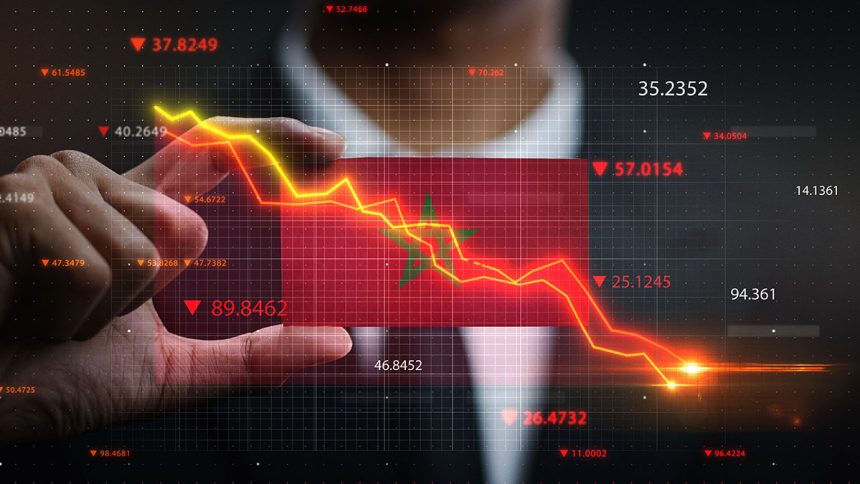
While macroeconomic stability is a strong selling point, international fund managers and corporate investors frequently point to difficulties when dealing with the on-the-ground reality of the Moroccan market. According to monitoring data and investor sentiment surveys compiled by financial watchdogs, the primary obstacles are:
Liquidity and market size
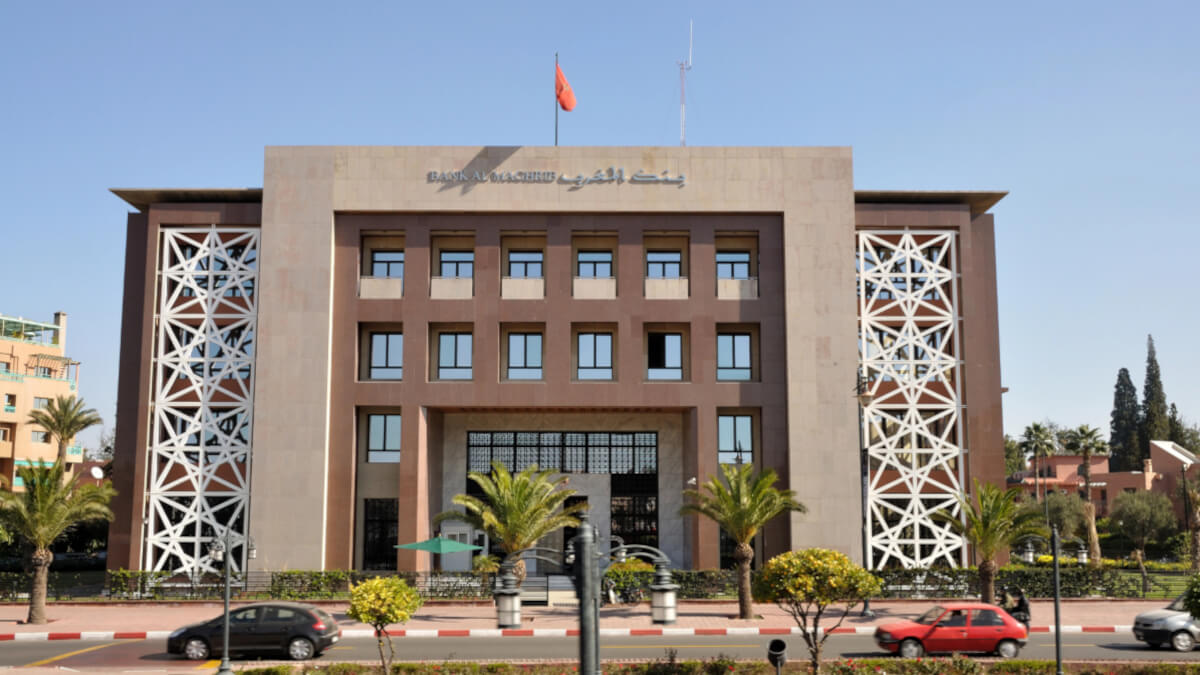
The Casablanca Stock Exchange (Bourse de Casablanca) features several high-performing companies, but the market suffers from low overall liquidity. For large global institutional investors, a small “free float” (the proportion of a company’s shares available to the public) makes it difficult to buy or sell massive positions without causing drastic swings in the share price. This lack of depth often prevents Morocco from receiving the heavy capital inflows enjoyed by larger emerging markets.
Restrictions on capital flows and foreign exchange
Although Morocco has taken significant steps in the liberalization of its exchange regulations, the Moroccan dirham (MAD) is not a fully convertible currency. It is pegged to a basket of currencies (the euro and the US dollar). Foreign investors face meticulous regulatory scrutiny regarding exchange controls, dividend repatriation, and capital outflows. Bureaucratic delays in processing currency conversions remain a major pitfall for international treasury departments.
Bureaucracy and administrative rigidity
Despite the implementation of the new Investment Charter, aimed at streamlining the process for investors, local bureaucracy remains slow. Foreign entities often face complex administrative procedures, prolonged timelines for licensing, and rigid legal frameworks that do not always align with the fast-paced nature of asset management worldwide.
Limited financial instruments
Advanced foreign investors rely heavily on hedging tools to mitigate risk, such as derivatives, short-selling mechanisms, and robust bond markets. The Moroccan financial ecosystem is still in the developmental phase of introducing these complex instruments. The absence of an active derivatives market limits the risk management strategies available to international funds.
Future outlook
The diagnosis provided by global market indices like MSCI serves as an excellent roadmap for Moroccan policymakers. The obstacles are not insurmountable; rather, they are typical of a market in transition from “frontier” status to a full-fledged “emerging” market.
With major milestones on the horizon —including massive infrastructure expansions ahead of hosting the FIFA World Cup—, Rabat is under pressure to address these friction points in market accessibility. If Morocco can combine its spectacular industrial progress with equal liquidity, flexibility, and openness in its financial systems, it will undoubtedly secure its place as a premier destination for global capital.
Rephrase in a different way as if you were a native American speaker as a content creation expert and do not talk about yourself or your experience in the text and do not show yourself as an artificial intelligence who wrote and fill the bullet point in the topic and speak the heart of the topic itself and dont take date of blog in ther first and dont take text like box of newsliter subscribe on post from contentand romove all linke insert in content and and remove all affiliate disclosure phrases on content like this “This post may contain Amazon or other affiliate links that allow us to earn a small commission at no extra cost to you. Please see our Disclosure Policy for more info” and “#” put in its place bullet point, and romove name of the web site or his links we are take a content from our new creation, and don’t publish clone new content more than just one time