- Improving Figures
- Carnegie Center Report
- World-Class Infrastructure
- Industrial Acceleration Plan
- Renewable Energy and Sustainability
- Water Management
The reign of Mohammed VI in Morocco has been marked by significant modernization efforts, with advancements in infrastructure, industry, sustainability, and major reforms to tackle social and economic issues. This drive has positioned Morocco as an emerging economic power, enhancing trade relations between Africa and Europe.
Since 1999, tangible progress has been made, evidenced by improved economic indicators that have transformed the nation into a pivotal force in the region.
Improving Figures
When Mohammed VI ascended the throne in 1999, Morocco’s Human Development Index (HDI) stood at 0.511, ranking it 112th globally. Life expectancy was approximately 66 years, the mortality rate was 6.5 per 1,000, and per capita income was around 1,514 euros.
Fast forward to today, and Morocco’s HDI has climbed to 0.698. Life expectancy has risen to 75 years, and per capita income has more than doubled to 7,216 euros, with education and quality of life improving significantly. The poverty rate has dropped dramatically, especially among rural populations, with access to electricity and clean water now reaching virtually all rural areas.
Carnegie Center Report
A recent report from the Carnegie Center highlights Morocco’s transition from a low-income to a middle-income economy. The report urges the nation to focus on structural transformation through investments in human capital, fostering innovation, and creating a competitive business environment to navigate a rapidly changing geopolitical landscape.
World-Class Infrastructure
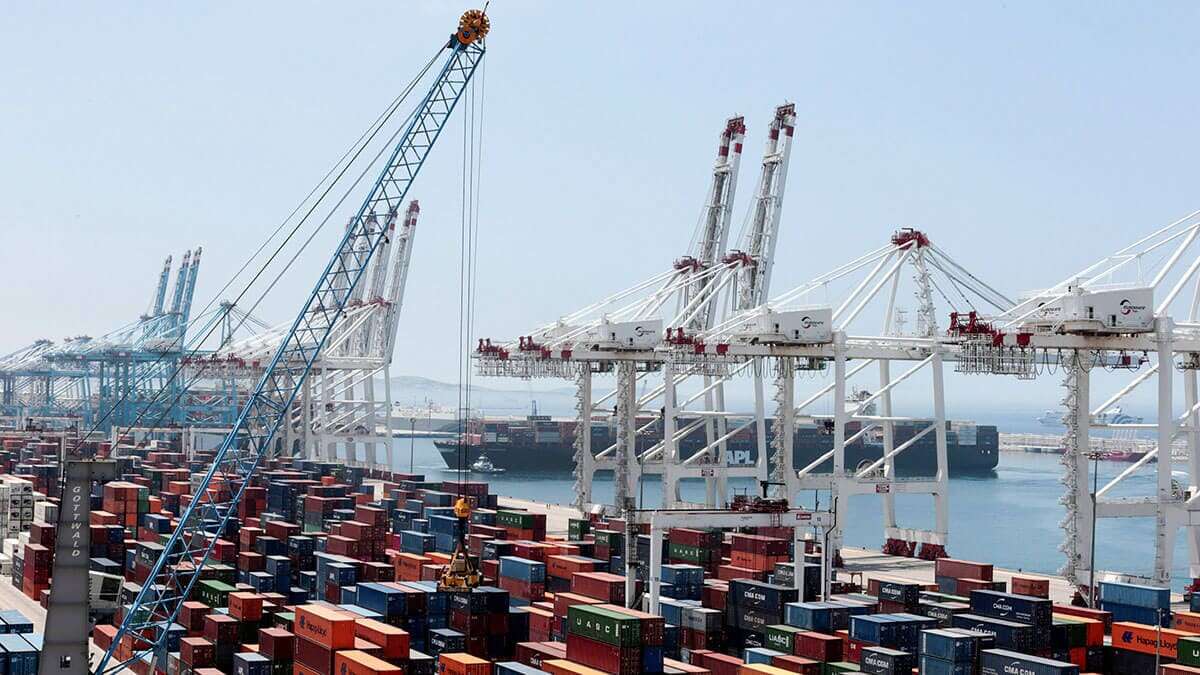
King Mohammed VI’s modernization initiative has heavily emphasized developing world-class infrastructure. Notable projects include the construction of the port of Tangier Med, which has allowed Morocco to integrate into global value chains, attract foreign investment, and become a major trade player at the crossroads of Europe and Africa.
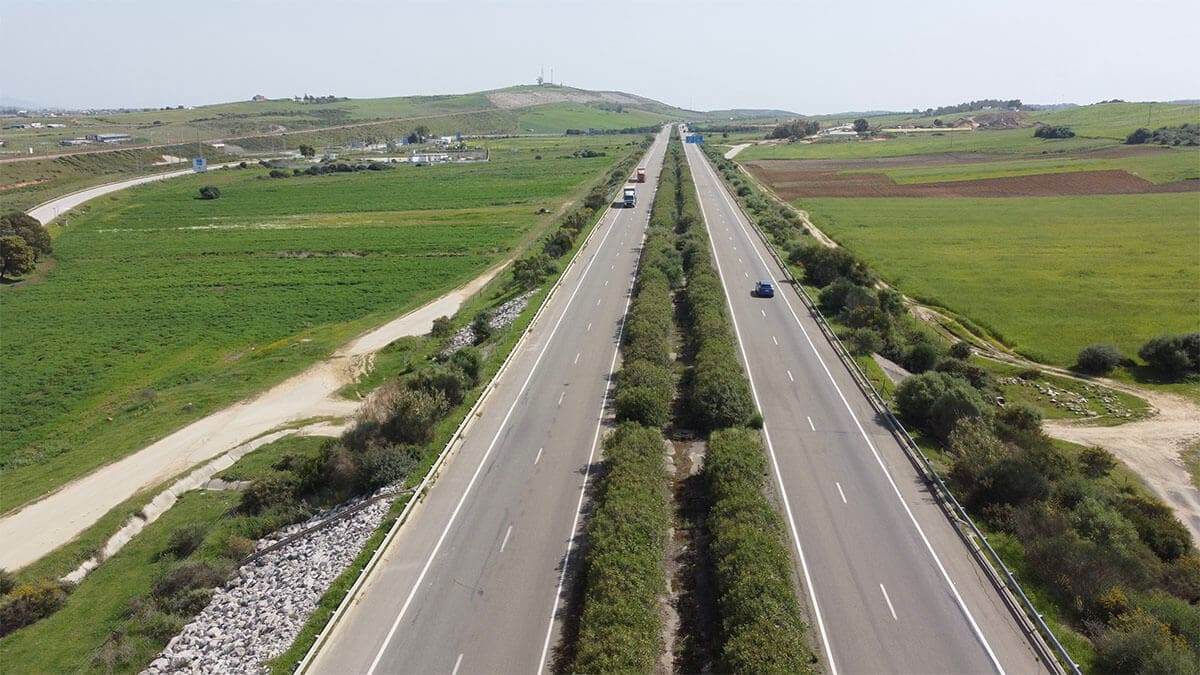
Since the early 2000s, Morocco has expanded its motorway network from a limited reach to 1,800 kilometers, with plans to reach 3,000 kilometers by 2030. The development of Tangier Med has positioned it as the leading port in the Mediterranean for container transit, significantly driving the economy. Morocco is also pioneering railway advancements, featuring Africa’s first high-speed train, and enhancing air transport through new and expanded airports.
Industrial Acceleration Plan
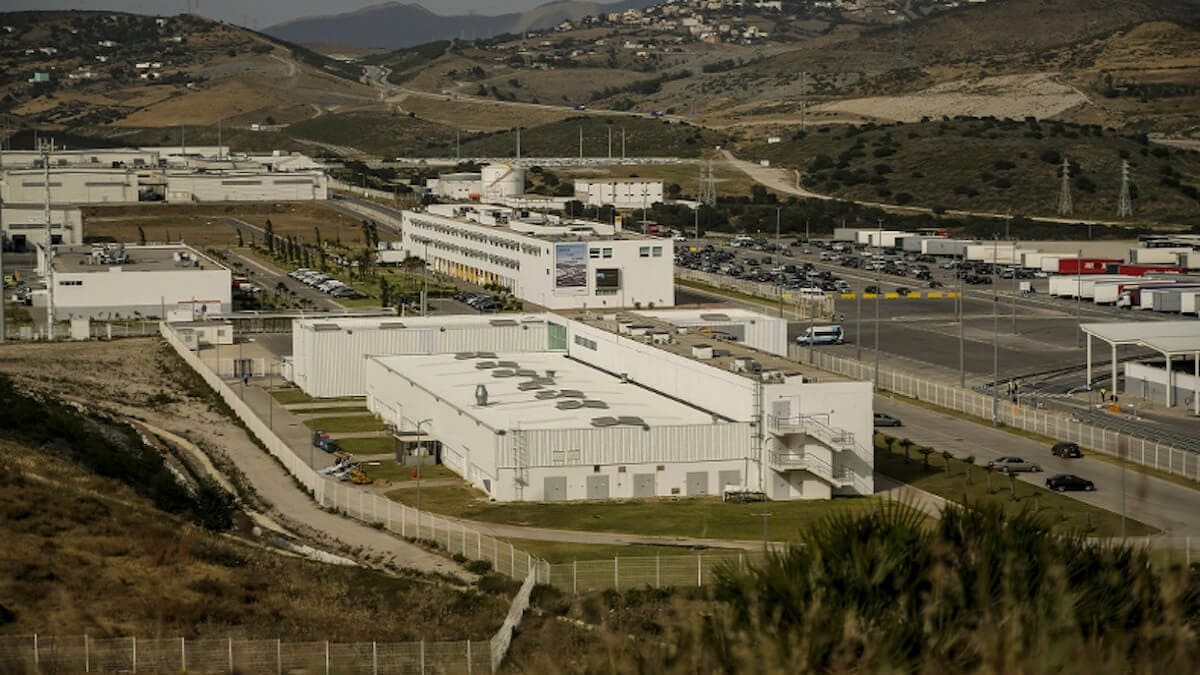
In response to economic challenges at the onset of the 21st century, Morocco implemented an Industrial Acceleration Plan (2014-2020) aimed at fostering an export-driven economy. This plan utilized the newly established infrastructures like Tangier Med to stimulate growth, particularly in technology-focused sectors such as automotive and aerospace.
Through the establishment of Tangier Med Zones, Morocco has transformed the Tangier-Tetouan-Al Hoceima region into Africa’s primary industrial free trade zone, attracting major automotive multinationals like Renault and PSA Group. This has led Morocco to become the continent’s largest automobile producer and exporter, significantly boosting foreign direct investment in the manufacturing sector.
Renewable Energy and Sustainability
Morocco has made a strong commitment to sustainability through the National Energy Strategy, aiming to decrease energy imports and adopt a more sustainable growth model. The strategy focuses on increasing renewable energy capacity, enhancing energy efficiency, and fostering regional cooperation.
The nation has set an ambitious target of achieving 52% of its energy mix from renewable sources by 2030, a significant increase from a previous goal of 42%. As of 2023, renewable energy constitutes 37% of Morocco’s installed electricity generation capacity, primarily driven by wind and hydroelectric power.
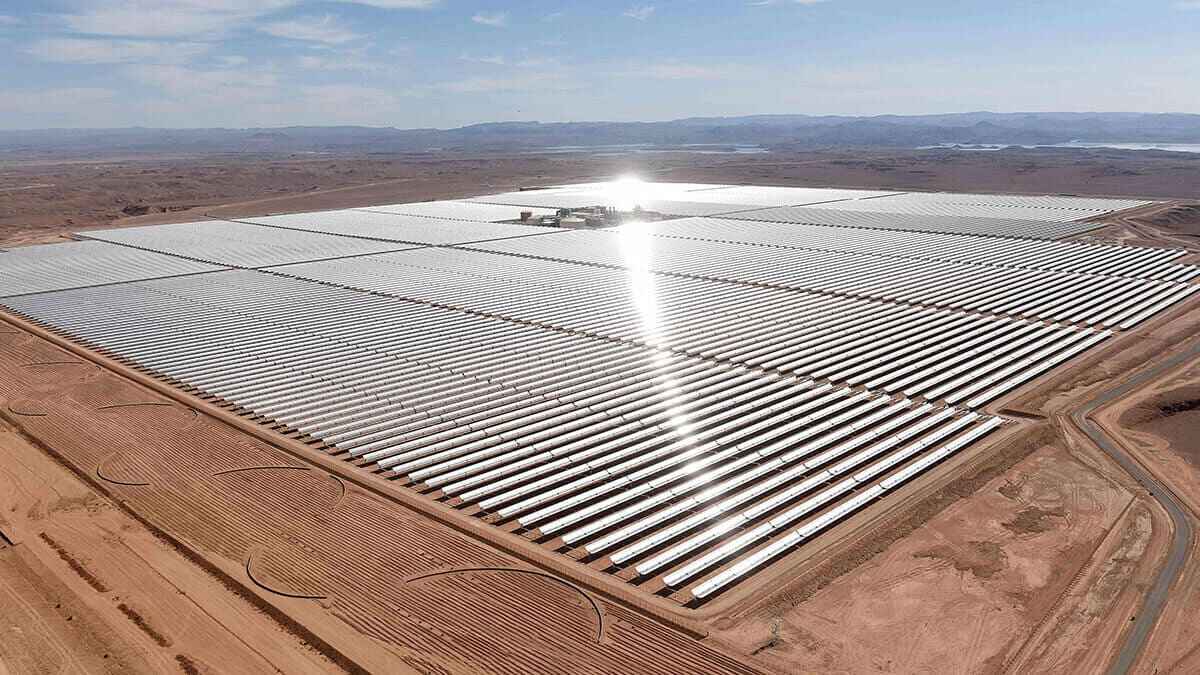
Additionally, Morocco has constructed the Noor solar power complex, the largest of its kind globally, with substantial public-private investment aimed at reinforcing its green energy capacity. The country also faces challenges in decarbonizing key industries such as cement and steel to maintain competitiveness, especially regarding European market access.
Water Management
Water management has emerged as a critical focus for Morocco, particularly given its susceptibility to drought. The National Water Management Plan for 2020-2050, backed by over $40 billion, aims to establish nine desalination plants by 2030 and improve freshwater storage through dam construction and wastewater treatment enhancements.

This proactive approach positions Morocco to address its water scarcity challenges effectively and sustainably.