As Morocco gears up to co-host the 2030 FIFA World Cup alongside Spain and Portugal, hopes are high that the global event will spur economic and social development. However, rising public spending and mounting debt are casting a shadow over the country’s ambitious plans.
While the tournament is seen as a catalyst for attracting investment, enhancing infrastructure, and boosting tourism, experts warn that the financial burden could outweigh the long-term benefits if projects are not managed effectively.
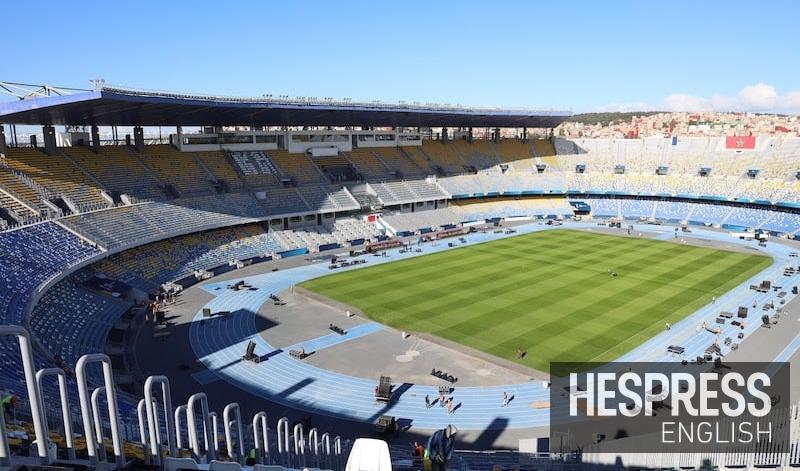
Preliminary estimates suggest that the cost of upgrading stadiums and related infrastructure could run into billions of dirhams. Morocco, whose economy relies heavily on tax revenues and domestic and external borrowing, is expected to see its public debt climb above 70% of GDP by 2030.
Economist Mohamed Jedri emphasized the importance of spending efficiency in an interview with Hespress AR, noting that while borrowing is not inherently problematic, poor utilization of funds can place future generations under financial strain. He highlighted an international index that shows Morocco spends 30 points of GDP to generate just three points of growth—well below the global average efficiency rate.
Jedri attributed this inefficiency to bureaucracy, corruption, a lack of feasibility studies, and weak digital infrastructure. He stressed the need for “deep structural reforms” to ensure World Cup investments translate into lasting economic gains.
While acknowledging the potential benefits of tournament-related projects—including improved healthcare, education, transportation, ports, airports, and hospitality services—Jedri warned that stadium investments, such as the costly Hassan II Stadium in Benslimane, may prove wasteful if underutilized post-event.
“The issue is not debt itself—countries like Japan operate with debt levels over 120% of GDP—but how the funds are managed,” Jedri said, adding that maximizing returns requires transparency, efficient planning, and strategies to cover maintenance costs and repay loans.
Economist Idriss El Aissaoui echoed similar sentiments, describing the World Cup as a “unique opportunity for development,” while cautioning against potential economic, security, and environmental risks. He underscored the need for sound policies to compete with co-hosts Spain and Portugal, which boast more advanced infrastructure and global tourism appeal.
El Aissaoui called for strategic investment in public and tourism services to align with the expectations of international visitors and local youth. “Spending should focus on long-term economic value, not just short-term event preparation,” he said.
Both analysts concluded that Morocco’s success hinges on robust public-private partnerships, digital integration, and prioritizing projects with sustainable returns. By adopting this approach, Morocco can avoid excessive strain on public finances and ensure that its World Cup legacy extends far beyond 2030.
Rephrase in a different way as if you were a native American speaker as a content creation expert and do not talk about yourself or your experience in the text and do not show yourself as an artificial intelligence who wrote and fill the bullet point in the topic and speak the heart of the topic itself and dont take date of blog in ther first and dont take text like box of newsliter subscribe on post from content and romove all linke insert in content and and remove all affiliate disclosure phrases on content like this “This post may contain Amazon or other affiliate links that allow us to earn a small commission at no extra cost to you. Please see our Disclosure Policy for more info” and “#” put in its place bullet point, and romove name of the web site or his links we are take a content from our new creation