The Quiet Shift in Airline Operations: A Closer Look at Recent Changes
The landscape of international air travel is shifting dramatically, particularly as major airlines are quietly reducing their services in and out of China. This retreat isn’t just a response to the fallout from geopolitical tensions; it reflects broader trends within the industry.
-
Impact of Geopolitical Tensions: Following Russia’s invasion of Ukraine, many airlines were forced to adjust their routes due to closed airspaces, which extended flight times and increased operational costs. The longer routes from Europe to Asia have turned previously profitable flights into financial burdens, compelling airlines to reevaluate their offerings.
-
Declining Capacity: For instance, Finnair has seen a dramatic drop in its flights to China over the past few years. What used to be a robust route network has contracted drastically, highlighting challenges unique to this market. Similarly, other European carriers are discreetly reducing service, opting to maintain a presence without incurring extensive losses.
-
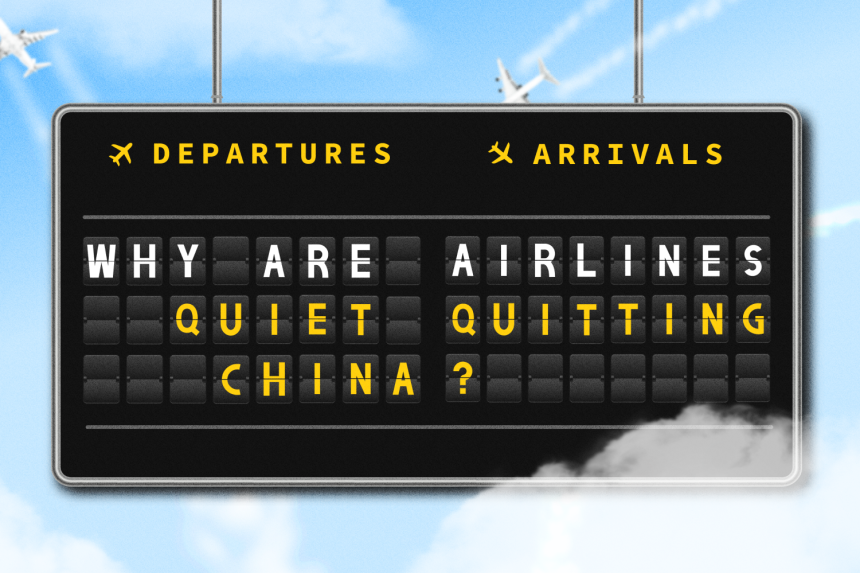
Quiet Quitting in the Airline Industry: Just as employees might engage in a "quiet quitting" to withdraw from unsatisfactory work situations, airlines are adopting a similar strategy. They continue to list routes to China but are cutting back on frequencies or downsizing aircraft to minimize risk. This allows them to maintain their presence while avoiding potential financial losses.
-
Major Airlines Reassessing Commitment: The decision by airlines such as British Airways and Lufthansa to suspend routes or reduce frequencies signals a significant shift. These adjustments reflect the challenging market conditions and dwindling demand, especially as travelers increasingly opt for airlines that can offer direct routes without detours.
-
Radical Withdrawals: Some airlines have taken more drastic steps, withdrawing entirely from the Chinese market. Virgin Atlantic and SAS Scandinavian Airlines have both announced the cessation of their services to China, citing unfavorable market conditions. This move underscores the complexities and challenges remaining in this once-vibrant travel market.
-
The Need for Fair Competition: Airline executives frequently express concerns about the need for a "level playing field." Chinese airlines continue to benefit from access to airspaces that are closed to their European counterparts. This disparity raises questions about fairness and competitive dynamics in the industry.
-
Economic Influences: Beyond geopolitics, the slowing Chinese economy plays a crucial role in diminishing travel demand. Businesses face uncertainties related to investment environments, causing companies to rethink travel strategies. This has led to a decrease in corporate travel, which typically generates higher fares.
-
Changing Consumer Behavior: While short-haul travel within China is recovering, long-haul international travel continues to lag. This behavior shift suggests that consumers are prioritizing closer destinations, complicating the recovery for airlines operating longer routes.
-
Pricing Competition: Chinese airlines are offering more competitive prices for long-haul flights, impacting legacy carriers. The aggressive pricing strategies of Chinese airlines have intensified competition, forcing other airlines to adjust their fares and service strategies to capture price-sensitive passengers.
- Future Prospects: Despite the current challenges, some industry leaders view the long-term potential of the Chinese market as significant. Though short-term adjustments may be necessary, there is optimism that travel demand will rebound in the future.
The airline industry is undergoing a notable transformation, with many carriers redefining their strategies in response to evolving market conditions. As geopolitical developments and economic factors continue to shape travel behaviors, airlines must navigate these complexities with inventive approaches to remain viable.