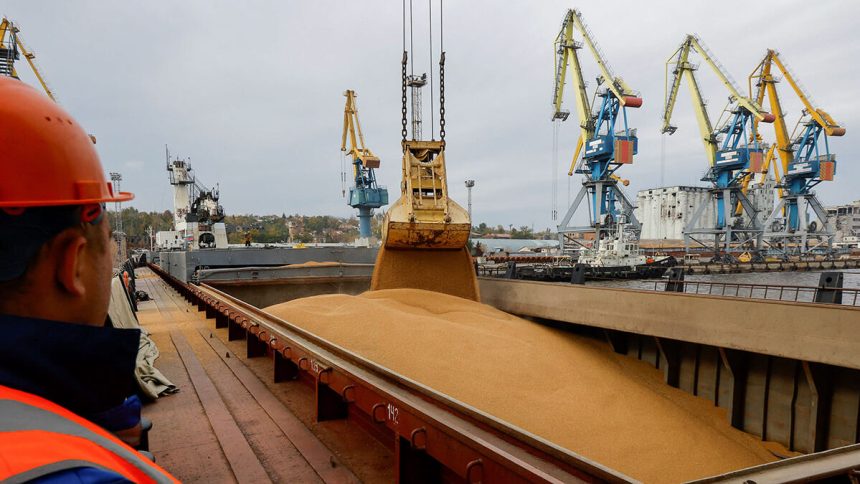
- Maritime insurance underwriting and commodity price formation
- Supply concentration across the Black Sea axis
- Structural impediments constraining African agricultural yields
- Strategic reserves and the structural limits of contingency buffers
The renewed cycle of military operations in the Black Sea has once again disrupted maritime transit routes underpinning Africa’s food security.
Operational bottlenecks across key deep-water ports such as Novorossiysk and the Kerch Strait stem not from global harvest contractions, but from maritime logistics gridlock and sharply escalating war-risk underwriting surcharges. This systemic disruption of critical trade lanes coincides with the heightened geopolitical volatility examined in diplomatic pressure in Kyiv under Russian bombardment, where intensified aerial warfare continues to imperil commercial trade corridors.
Sufficient grain stocks remain within export silos, yet moving cargo has turned into a high-risk financial venture. This operational bottleneck directly impacts African national budgets, exposing an acute structural contradiction: entrenched dependence on foreign wheat across a continent that holds 60% of the planet’s uncultivated arable land.
Maritime insurance underwriting and commodity price formation
Benchmark international grain pricing is no longer governed solely by fundamental agronomic supply and demand dynamics; it has become subordinated to freight logistics and war-risk premiums.
Drone strikes and naval engagements targeting Black Sea port facilities and agricultural terminals have triggered an immediate response across commercial shipping markets monitored by the International Maritime Organization (IMO). Primary marine insurance syndicates in the City of London and the Joint War Committee have sharply increased war-risk insurance premiums demanded of shipowners chartering dry-bulk vessels into the area.

These supplementary risk surcharges have distorted physical delivery contracts settled within multilateral commodity exchanges under the trade standards of the World Trade Organization (WTO). On the Euronext exchange, front-month milling wheat contracts have surpassed €250 per tonne, while on the Chicago Board of Trade, futures have broken through $7.50 per bushel.
For import-dependent nations, procurement expenses no longer correspond to the farm-gate price of the crop: baseline export quotations are now compounded by surging charter rates, supplementary marine hulls insurance, and steep demurrage penalties at loading berths.
Across African economies facing depleted foreign exchange reserves and devalued local currencies, grain stranded at sea ceases to function as viable supply, introducing artificial food deficits that strain state-backed bread subsidy budgets.
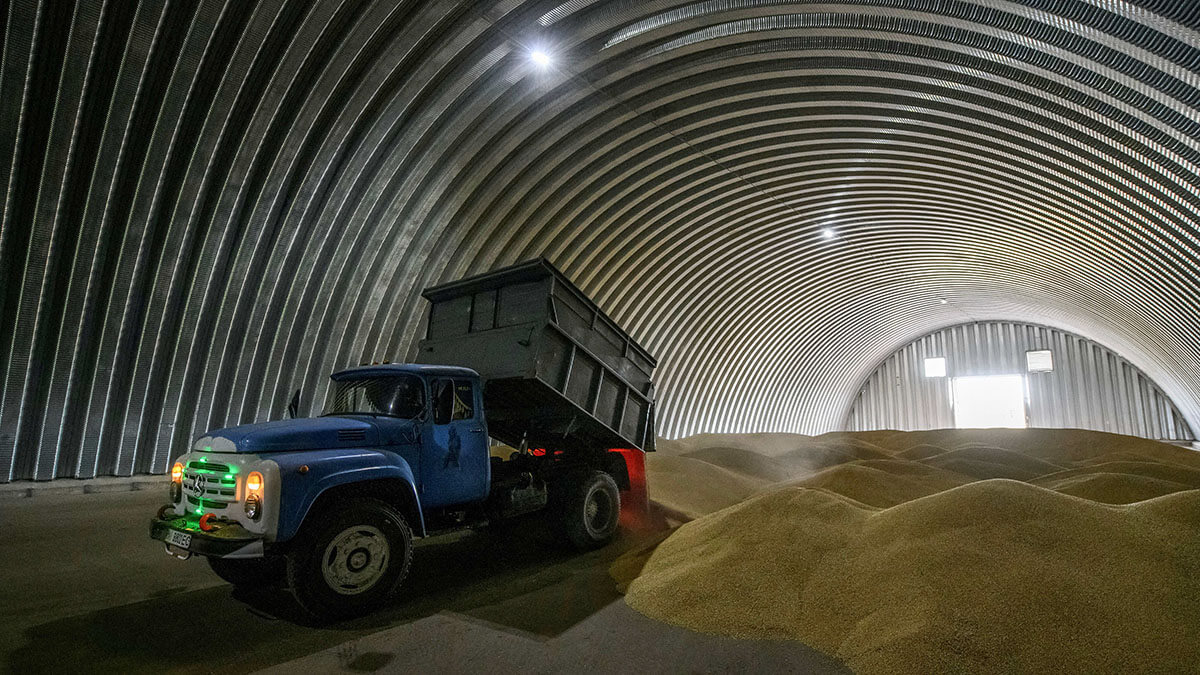
Supply concentration across the Black Sea axis
This macro-vulnerability is directly linked to geographical supply concentration, particularly impacting developing nations that have long structured their national procurement around low-cost Eastern European wheat.
Egypt presents the most acute example: as the world’s leading wheat importer, it procured 8.8 million tonnes of wheat between July 2025 and January 2026, sourcing roughly 60% from the Russian Federation and over 24% from Ukraine. Consequently, almost 85% of its total inbound grain supply depended upon a single contested maritime corridor. This exposure highlights Cairo’s structural priority to maintain strategic autonomy and hedge against external shocks, mirroring the diplomatic calculus explored in why Egypt and the UAE distance themselves from the new Saudi-Turkish-Pakistani military alliance.

Comparable dependencies affect Sudan, Algeria, and Libya, as well as Sub-Saharan economies such as Nigeria and South Africa. Facing repeated disruption to regular routes, these nations have sought to diversify purchasing tenders toward suppliers in the Baltic states, Romania, France, Argentina, and Australia. However, pivoting toward alternate origins alters the baseline economic equation.
Extended maritime shipping distances translate into higher bunker fuel expenditures and elevated freight rates, while alternate suppliers operate at peak commercial premiums. Although French and Baltic grain merchants have delivered emergency cargoes to Sudan and South Africa, these trades impose a heavy foreign exchange drain on national treasuries.
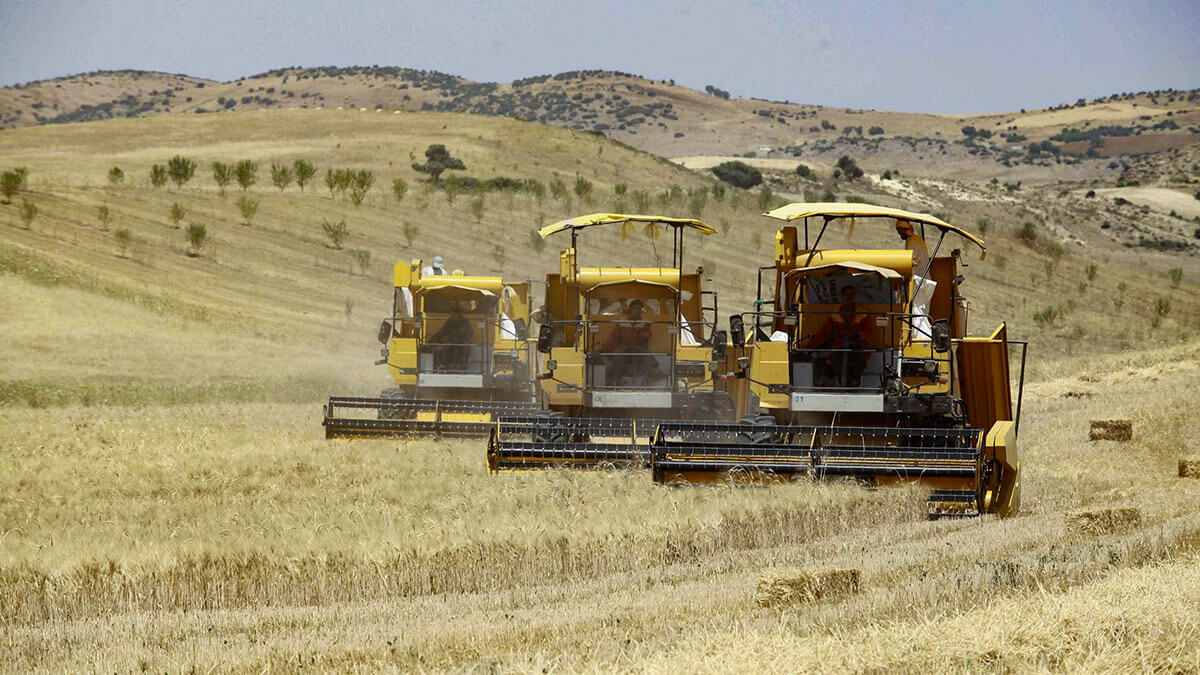
Structural impediments constraining African agricultural yields
The persistence of this import dependence contrasts sharply with estimates compiled by the Food and Agriculture Organization of the United Nations (FAO) and the World Bank, which calculate that Africa possesses approximately 60% of the world’s uncultivated arable land. The gap between agricultural potential and systemic food deficits stems from logistical, agronomic, and financial hurdles that have historically prevented the emergence of a competitive domestic cereal sector.
Historically, industrialised bulk production in Russia and Ukraine, underpinned by extensive economies of scale, has delivered landed grain at prices below the domestic cost of production and regional transit within Africa. For urban administrations, cheap foreign grain offered an immediate mechanism to secure affordable bread in growing cities, disincentivising capital investment into domestic rural agriculture. This dynamic reflects the gap between strategic development ambitions and persistent structural instability, as seen in Moscow’s Africa Corps acting as a praetorian guard in the Sahel.

Compounding this is an acute regional transport infrastructure deficit: hauling a metric tonne of wheat between neighbouring African countries is frequently more costly and complex than chartering an ocean-going bulk vessel from Black Sea terminals.
These overland transport bottlenecks coincide with low regional yields per hectare caused by limited mechanisation, reliance on rain-fed irrigation, and poor access to nitrogenous fertilisers. Meanwhile, rapid urbanisation has driven up consumer demand for refined wheat-flour bread.
Because wheat requires temperate climatic conditions unsuited to tropical and sub-Saharan zones, changing urban consumer habits have steadily displaced drought-resistant indigenous staples such as sorghum, pearl millet, and teff.
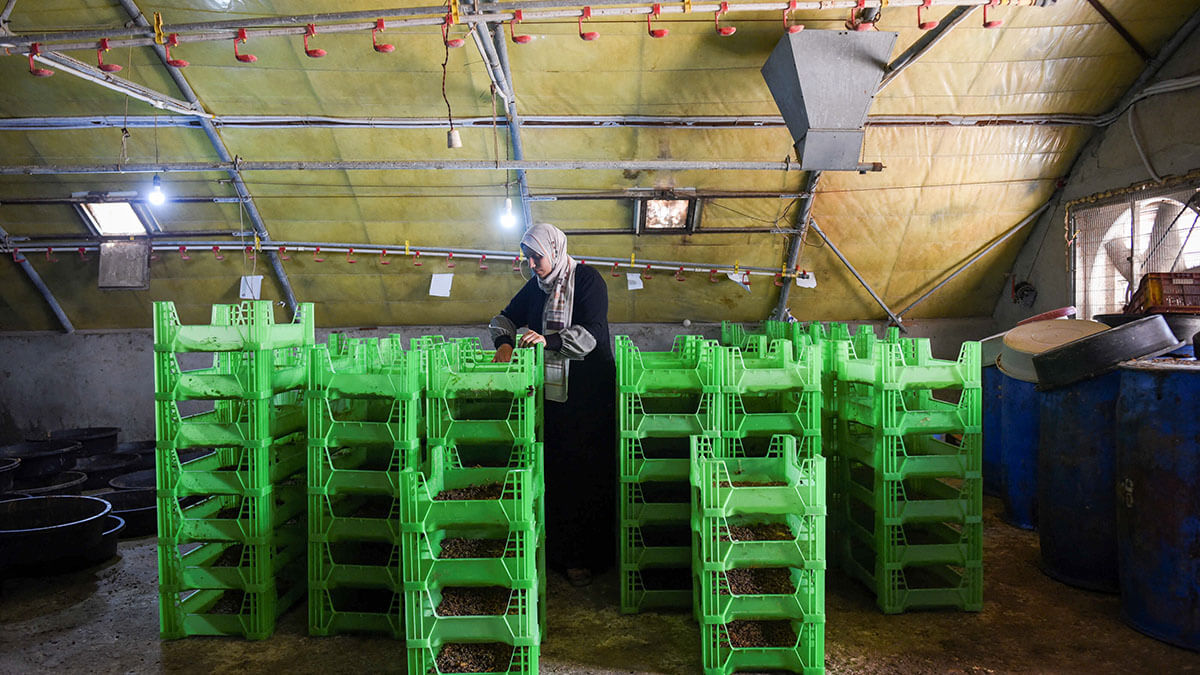
Strategic reserves and the structural limits of contingency buffers
Navigating global market volatility, several importing states have expanded domestic strategic reserves.
Egypt’s extended local procurement campaign, in which state agencies purchased nearly five million tonnes of domestic wheat, highlights the strategic value of national stockpiles in creating a buffer against external shocks.
While domestic stockpiling does not eliminate import dependence, it provides governments with the policy space to defer international tenders during price spikes.
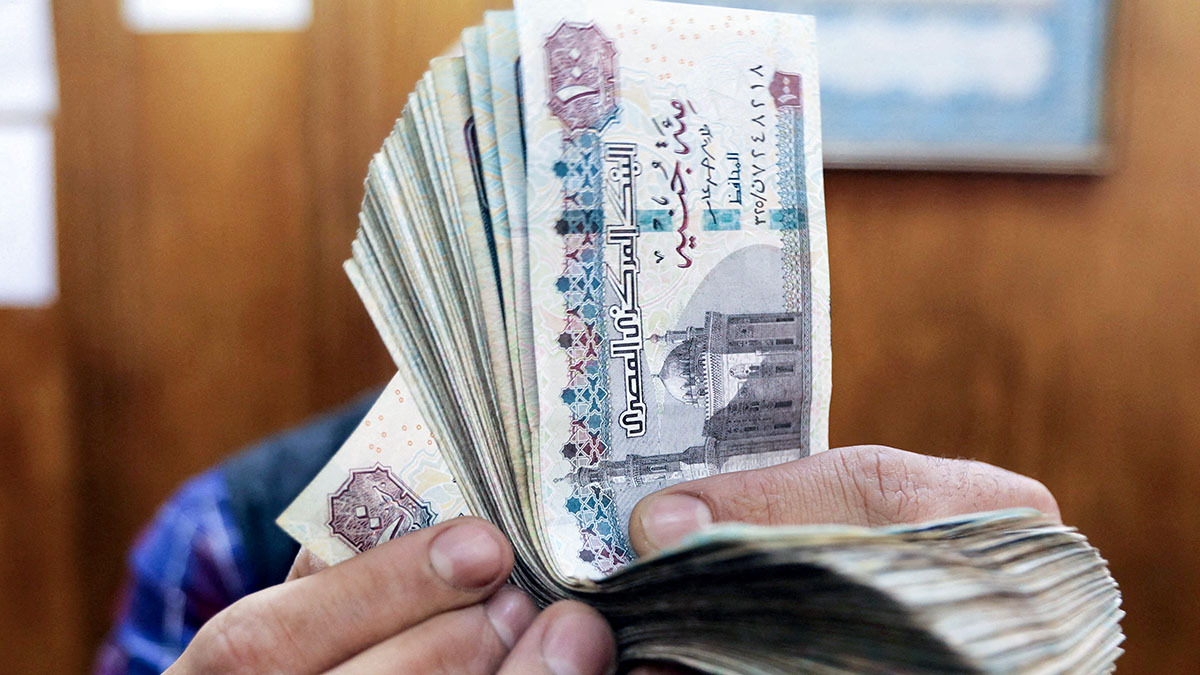
Nevertheless, strategic grain storage remains limited by silo capacity, post-harvest pest losses, and the fiscal resources needed to guarantee remunerative farm-gate prices. Supplier diversification and seasonal procurement drives are short-term buffers that leave the underlying vulnerability unresolved.
Until African agricultural systems receive long-term capital investment and integrated transport links, urban centres will remain exposed to marine insurance rates set in London and commercial shipping conditions in the Black Sea.
Rephrase in a different way as if you were a native American speaker as a content creation expert and do not talk about yourself or your experience in the text and do not show yourself as an artificial intelligence who wrote and fill the bullet point in the topic and speak the heart of the topic itself and dont take date of blog in ther first and dont take text like box of newsliter subscribe on post from contentand romove all linke insert in content and and remove all affiliate disclosure phrases on content like this “This post may contain Amazon or other affiliate links that allow us to earn a small commission at no extra cost to you. Please see our Disclosure Policy for more info” and “#” put in its place bullet point, and romove name of the web site or his links we are take a content from our new creation, and don’t publish clone new content more than just one time