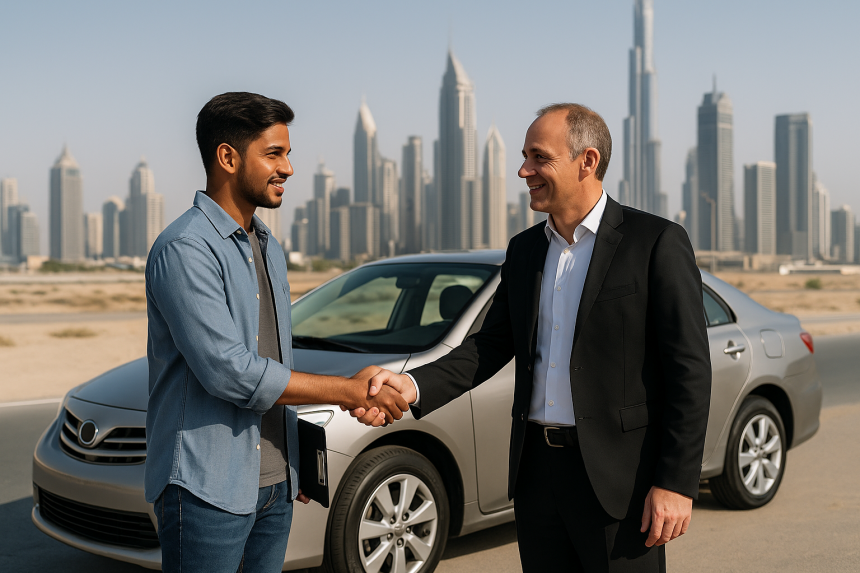
For first-time buyers, buying a used car in Dubai is both exciting and challenging. With thousands of pre-owned cars available across showrooms, dealerships, and online platforms, it can be hard to know where to begin. The city is known for its thriving second-hand car market, where expats frequently upgrade or sell their vehicles, creating plenty of options for new buyers.
But not every shiny car is a good deal. If you are buying a used car in Dubai, you must think beyond looks and mileage. From accident checks to financing and dealer vs private comparisons, there are key steps that protect your investment. This guide outlines the top five tips when buying a used car in Dubai for the first time, helping you make a safe and confident choice.
Tip 1: Research Market Prices and Financing Options
The first step in buying a used car in Dubai is understanding the market. Prices vary greatly based on brand, year, mileage, and accident history. Japanese models like Toyota, Honda, and Nissan tend to retain higher resale value, while European luxury cars may depreciate faster. Platforms such as Dubizzle, YallaMotor, and authorized dealer websites are excellent resources for comparing prices.
Equally important is financing. Many dealerships in Dubai partner with banks to offer used car loans with competitive interest rates. If you’re buying a used car in Dubai from a private seller, you’ll likely need to arrange financing directly with your bank, which may involve stricter requirements.
By combining price research with financing options, you’ll know exactly what to expect before making a purchase decision.
Tip 2: Check Accident History and Service Records
One of the most crucial steps when buying a used car in Dubai is checking its accident history. A clean-looking car may have been involved in collisions or even written off in the past. Fortunately, Dubai provides transparent tools for buyers:
-
RTA Vehicle Condition Certificate (Dubai): Offers a full history of accidents, ownership transfers, and RTA test results.
-
Emirates Vehicle Gate (EVG): Covers accident records across all Emirates.
-
Ministry of Interior (MOI): Provides nationwide accident history by chassis number.
In addition to accident history, request the service records. Many cars serviced at authorized dealerships in Dubai have digital service logs that confirm regular maintenance. This is one of the best ways to verify that the car has been properly cared for.
Skipping this step is a common mistake for people new to used car buying in Dubai, but it can save you from major headaches later.
Tip 3: Get a Professional Pre-Purchase Inspection
Even if reports look clean, a professional inspection is vital when buying a used car in Dubai. Several garages and workshops in Dubai offer pre-purchase inspection services for a reasonable fee, giving you a clear picture of the car’s condition.
Mechanics usually check:
-
Frame alignment and underbody condition
-
Engine health and leaks
-
Suspension, tires, and brakes
-
Air conditioning performance (essential in UAE heat)
-
Mileage authenticity and warning lights
This step ensures that you’re not just relying on paperwork but getting a hands-on evaluation of the car’s health. Spending a little extra on inspection is a smart investment when buying a second-hand car in Dubai.
Tip 4: Dealer vs Private Seller – Which Should You Choose?
A big decision for first-time buyers is whether to purchase from a dealer or a private seller. Both routes have advantages and disadvantages:
-
Dealerships
-
Offer certified used cars with warranties
-
Provide financing options and smoother RTA transfer services
-
Higher prices but greater peace of mind
-
-
Private Sellers
If you’re buying a used car in Dubai for the first time, a dealership may feel more secure, especially with warranties and inspection guarantees. However, private sellers can offer great deals if you take the right precautions. No matter what, always ensure the transaction is processed through official RTA channels for legal protection.
Tip 5: Understand the RTA Transfer Process and Paperwork
Every transaction for buying a used car in Dubai goes through the Roads and Transport Authority (RTA). The ownership transfer process is straightforward but requires specific documents:
-
Emirates ID (buyer and seller)
-
Buyer’s UAE driving license
-
Vehicle registration card (Mulkiya)
-
RTA passing certificate
-
Valid car insurance (purchased before transfer)
The seller must ensure the car passes the RTA inspection. Once that is complete, the buyer arranges insurance and finalizes the transfer at an RTA center or kiosk. Knowing these steps beforehand avoids delays and ensures the sale is legitimate.
Bonus Tip: Be Patient, Build Trust, and Negotiate
Patience is key when buying a used car in Dubai. With such a vast market, rushing can lead to regrets. Always compare multiple cars, verify details with official records, and build trust with the seller.
Negotiation is expected in Dubai’s used car market. Use your research, accident history, and inspection results to negotiate fairly. Sellers often list prices slightly higher, knowing that buyers will bargain.
Alternatively, you can explore car rentals in Dubai through OneClickDrive. Renting a car for a few months allows you to test different models before committing to ownership, making it a stress-free option for first-time buyers. For more advice, check out our detailed blog on how to check car accident history before buying. It pairs perfectly with these tips to keep you safe and informed.
Conclusion
For first-time buyers, buying a used car in Dubai can seem daunting, but following the right steps makes the process safe and rewarding. Start with market research and financing options, always check accident history and service records, and never skip a professional inspection. Carefully weigh the pros and cons of dealerships versus private sellers, and understand the RTA procedures for ownership transfer. With patience, trust in official checks, and smart negotiation, you’ll find the right car at the right price and enjoy the freedom of driving in Dubai with confidence.
Rephrase in a different way as if you were a native American speaker as a content creation expert and do not talk about yourself or your experience in the text and do not show yourself as an artificial intelligence who wrote and fill the bullet point in the topic and speak the heart of the topic itself and dont take date of blog in ther first and dont take text like box of newsliter subscribe on post from content and romove all linke insert in content and and remove all affiliate disclosure phrases on content like this “This post may contain Amazon or other affiliate links that allow us to earn a small commission at no extra cost to you. Please see our Disclosure Policy for more info and replace”#” put in its place bullet point, and romove name of the web site or his links we are take a content from our new creation,f content talking about another country for car rental Rephrase content to talk about car rental in morocco, and don’t publish clone new content more than just one time