AI’s Impact on Saudi Arabia’s Tourism Sector: From Smooth Travels to Customized Experiences
RIYADH: The thriving tourism sector in Saudi Arabia is increasingly integrating artificial intelligence, enabling local travel agents to assist clients in crafting their ideal vacations, ensuring smooth travel experiences, and providing customized visitor interactions.
Part of the Vision 2030 economic reform strategy, Saudi Arabia aims to welcome 150 million tourists annually by the decade’s end. With various AI technologies at their disposal, achieving this goal seems feasible.
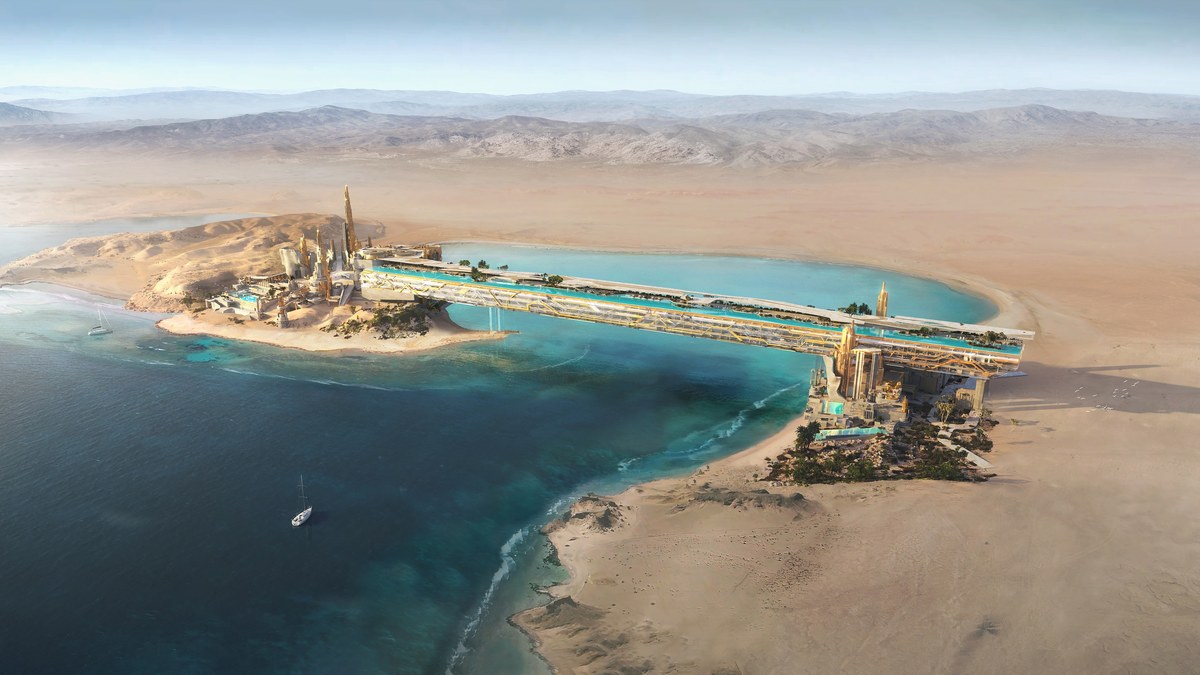
NEOM, a $500 billion mega-city developing on the Kingdom’s northwest coast, will offer various innovative tourist experiences, utilizing AI for personalized services, transportation, and hospitality.
At the UNESCO World Heritage sites of AlUla and Diriyah, AI-powered augmented reality technology will deliver interactive tours for visitors to explore the Kingdom’s rich history.

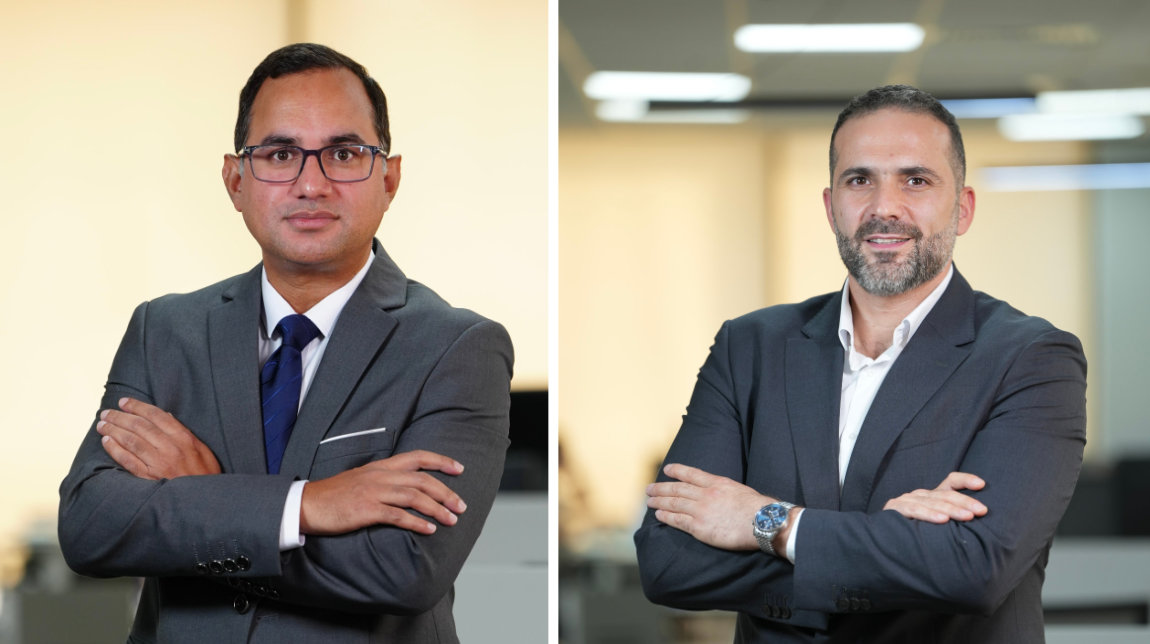
Rahul Arya, CEO of tech consultancy Artefact MENA, noted that Saudi Arabia is making substantial strides in fostering local AI talent through collaborations with international AI firms to enhance the expertise of its youth.
Key initiatives and events, such as the GAIN Summit hosted by the Saudi Authority for Data and Artificial Intelligence, are also helping to position the Kingdom as an emerging leader in the AI landscape.
The recent Global AI Summit (GAIN), held in Riyadh, provided a platform for professionals from various backgrounds to discuss AI advancements.
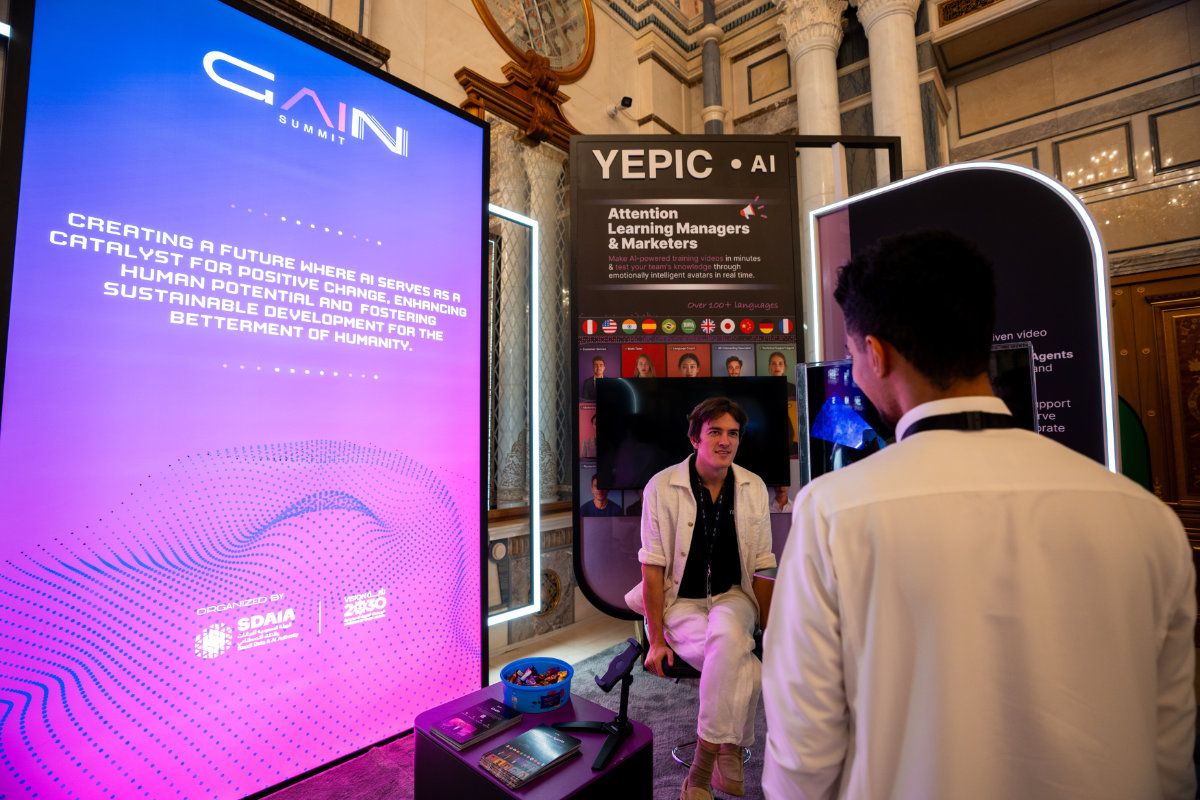
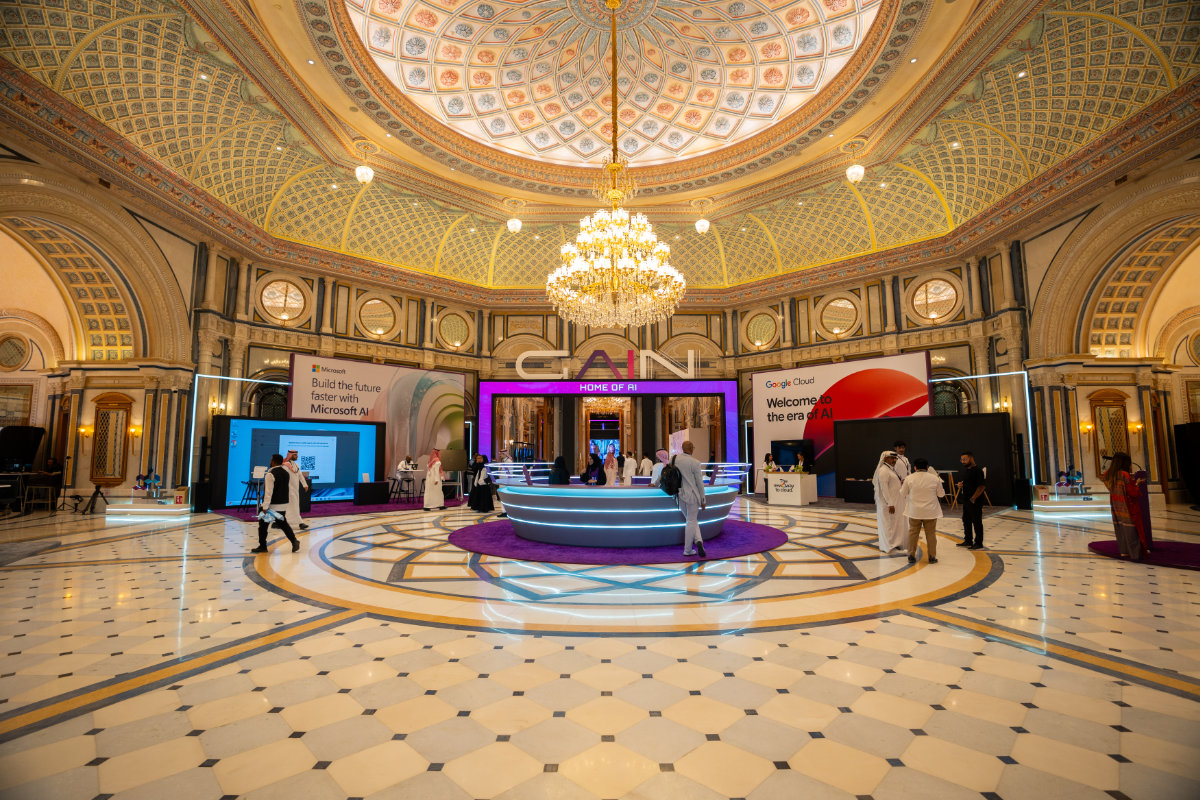
The King Abdulaziz International Conference Center hosted Oussama Ahmad, Artefact’s global travel and tourism lead, to discuss the Kingdom’s progressive AI strategy.
He expressed enthusiasm for Saudi Arabia’s role in AI innovation, highlighting the significance of witnessing advancements and sharing insights with influential figures in the field.
During the summit, Ahmad led a panel focused on the potential of AI to revolutionize the tourism industry.

“This initiative marked a collaborative effort among the Ministry of Tourism, Saudi Tourism Authority, SDAIA, and Artefact to explore AI in tourism,” he stated.
He also signed a memorandum of understanding between Artefact and the Saudi Tourism Authority to develop AI solutions that enhance Saudi Arabia’s appeal as a premier tourist destination and improve visitor experience.
AI can bolster marketing strategies for attracting tourists by addressing specific misconceptions through targeted communications.
The technology can track visitor experiences, resolve issues, and identify opportunities for delight, which are crucial for stimulating repeat visits and positive recommendations.
Furthermore, AI has the potential to spot new global events and attractions suitable for the Kingdom, optimize participant planning, and evaluate the return on investment for these initiatives.
Relevant reference points are included in this section.
Ahmad underscored the importance of AI-driven recommendation systems from the Saudi Tourism Authority, predictive analytics for visitor behavior, and investments in capacity optimization, alongside the adoption of AI by Riyadh Air.
The airline has developed a cloud-based data and AI infrastructure to create applications that enhance guest experiences and improve business operations.
He also noted the significance of effective AI applications, particularly generative AI, that require a nuanced understanding of language and its dialects.
Such comprehension is essential for refining AI’s processing of text and speech, extracting insights, and ensuring accurate responses to user inquiries, with a strong need for training in Arabic dialects.
AI models should be designed to accommodate native languages and variations within the Kingdom and among its primary visitor demographics.
With specific cultural dimensions tied to Saudi social values, customs, and communication, the development of AI solutions faces challenges, but significant efforts are underway to address these issues.
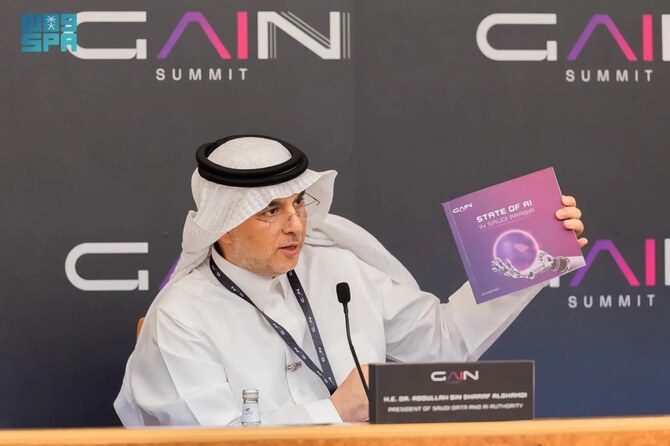
For the tourism sector and other emerging industries in Saudi Arabia to fully benefit from AI, Ahmad emphasized the need for improved data collection, the introduction of cloud service providers, and the cultivation of local tech talent.
AI applications require large, high-quality historical data sets, often amounting to hundreds of thousands or even millions of data rows.
However, the nascent Saudi tourism industry is currently challenged by limitations in data accessibility and quality. To mitigate this, organizations should focus on comprehensive data gathering through first-party strategies and collaborations for secondary data sharing.
AI models can also be piloted as concept proofs and refined as data resources expand.
Additionally, many local organizations are hampered by outdated technology infrastructures that fail to support the implementation of large-scale AI systems.
The emergence of cloud providers with local data centers is beginning to relieve these obstacles, particularly as they introduce advanced AI services.
A third challenge resides in the insufficient supply of AI expertise within the Saudi market, resulting in limited local innovation. Many organizations are now seeking talent from global AI pools.
Effective AI models hinge on high-quality data and strong governance practices, prompting the establishment of the National Data Management Office and the National Data Index by the Saudi Authority for Data and Artificial Intelligence.
These frameworks aim to standardize data governance and management to accelerate AI development, translating data insights into value creation.
The Kingdom has also set clear regulations governing the residency of AI applications based on the classification of required data sets, fostering healthy competition among cloud providers to develop compliant data centers.
Recently, Saudi Arabia took the lead in establishing AI regulations by collaborating with the EU to define a set of “AI Ethics Principles.”
This robust framework ensures the ethical and transparent development of AI while adhering to personal data protection standards.
Should Saudi Arabia overcome challenges such as data scarcity, outdated technology, and limited talent, it stands poised to achieve significant advancements in AI development and adoption.
The successful execution of AI solutions tailored to local languages, cultural contexts, and regulatory frameworks will be vital in unlocking AI’s full potential to drive the tourism industry forward.